# Summer Greenhouse Management: Hot Weather Growing Tips
Summer brings challenges for greenhouse gardeners. What was a cozy growing space in spring can quickly become an oven that stresses or kills your plants. Effective summer management keeps your greenhouse productive through the hottest months while maintaining healthy, thriving plants.
Understanding Summer Greenhouse Challenges
The Heat Problem
Greenhouses trap solar energy, creating temperatures far higher than outside:
| Outside Temp | Closed Greenhouse | With Good Ventilation |
|————-|——————|———————|
| 70°F | 100-120°F | 75-85°F |
| 80°F | 120-140°F | 80-90°F |
| 90°F | 140-160°F | 85-95°F |
Heat Stress Effects on Plants
Symptoms to watch for:
– Wilting despite moist soil
– Leaf scorch or brown edges
– Blossom drop (no fruit set)
– Bolting (premature flowering)
– Pale, yellowing leaves
– Slow or stopped growth
Cooling Strategies
1. Ventilation (Most Important)
Passive Ventilation:
– Open roof vents fully
– Open side vents
– Use automatic vent openers
– Create cross-breezes
Active Ventilation:
– Install exhaust fans
– Add circulation fans
– Use oscillating fans
Ventilation Checklist:
– [ ] Roof vents open by 7 AM
– [ ] All vents open by 10 AM
– [ ] Maximum ventilation at noon
– [ ] Close slightly in late afternoon
– [ ] Close vents at night if cool
2. Shading
Types of Shade Cloth:
| Shade % | Best For |
|———|———-|
| 30% | Light-sensitive plants |
| 50% | Most vegetables |
| 70% | Shade-loving plants |
| 80% | Propagation |
Application Methods:
– Inside: Easy to remove, less effective
– Outside: More effective, weathers faster
– On frame: Balanced approach
– Automated: Motorized systems
3. Evaporative Cooling
Misting Systems:
– Low-pressure: Simple, inexpensive
– High-pressure: Fine mist, commercial
– Automatic: Timer or humidity-controlled
Cooling Pad Systems:
– Install on wall opposite fans
– Water drips through material
– Fans pull cool air through
– Very effective in dry climates
4. Insulation
Thermal Screens:
– Reflect heat during summer
– Retain heat in winter
– Motorized or manual
– Install above plants
Temperature Management
Ideal Summer Temperatures
| Plant Type | Day Temp | Night Temp |
|————|———-|————|
| Tomatoes | 70-80°F | 60-65°F |
| Peppers | 75-85°F | 60-70°F |
| Lettuce | 60-70°F | 50-55°F |
| Herbs | 65-75°F | 55-65°F |
| Seedlings | 70-75°F | 60-65°F |
Monitoring
Essential Tools:
– Thermometer: Minimum/maximum readings
– Hygrometer: Humidity levels
– Data logger: Track trends over time
– Smart sensors: App alerts
Placement Tips:
– At plant level (not ceiling)
– In shade, not direct sun
– Multiple locations for accuracy
Watering in Summer
Frequency
Hot weather dramatically increases water needs:
| Temperature | Watering Frequency |
|————|——————-|
| Under 75°F | Every 2-3 days |
| 75-85°F | Daily |
| 85-95°F | Daily + misting |
| 95°F+ | Twice daily |
Best Practices
1. Water early morning: Prevents midday stress
2. Water deeply: Encourages deep roots
3. Avoid leaves: Water soil, not foliage
4. Check drainage: Ensure pots drain well
5. Use mulch: Retains soil moisture
Water Temperature
Important: Cold water can shock plants!
– Use room-temperature water
– Let hose water warm up first
– Consider insulated water barrels
– Shade water containers
Humidity Management
Summer Humidity Challenges
| Problem | Cause | Solution |
|———|——-|———-|
| Too low | Heat, ventilation | Misting, damp pads |
| Too high | Poor ventilation | Increase airflow |
| Fluctuations | Inconsistent cooling | Automate systems |
Maintaining Balance
– Mist during hottest part of day
– Use humidity trays
– Group plants together
– Avoid overwatering
– Monitor with hygrometer
Summer Planting Schedule
What to Grow
Heat-Loving Plants (plant in late spring):
– Tomatoes
– Peppers
– Eggplant
– Melons
– Cucumbers
Cool-Season Crops (for fall):
– Start indoors in summer
– Transplant in fall
– Lettuce varieties
– Kale
– Spinach
Succession Planting
| Crop | Plant Date | Harvest |
|——|———–|———|
| Tomatoes | May-June | July-October |
| Peppers | May-June | July-October |
| Fall lettuce | August | October-November |
| Fall kale | August | October-December |
Pest Management in Summer
Common Summer Pests
| Pest | Signs | Treatment |
|——|——|———-|
| Spider mites | Fine webbing, stippled leaves | Neem oil, increase humidity |
| Whiteflies | White flying insects | Yellow sticky traps, neem |
| Aphids | Curling leaves, ants | Insecticidal soap |
| Thrips | Silver streaks on leaves | Neem oil, spinosad |
| Mealybugs | White cottony masses | Alcohol, neem oil |
Prevention
– Inspect plants regularly
– Quarantine new plants
– Remove infected material
– Encourage beneficial insects
– Maintain good air circulation
Summer Maintenance Tasks
Daily Checklist
– [ ] Check temperatures morning and afternoon
– [ ] Water plants as needed
– [ ] Open/close vents
– [ ] Check for pests
– [ ] Remove dead foliage
Weekly Tasks
– [ ] Deep water containers
– [ ] Fertilize as needed
– [ ] Rotate plants for even light
– [ ] Clean evaporation trays
– [ ] Check shade cloth
Monthly Tasks
– [ ] Deep clean surfaces
– [ ] Inspect for damage
– [ ] Clean filters on fans
– [ ] Sharpen tools
– [ ] Order fall seeds
Advanced Cooling Systems
For Severe Climates
Installation Guide:
1. Exhaust Fans
– Size: 1 cfm per sq ft of floor space
– Place on opposite wall from intake
– Use thermostatically controlled
2. Evaporative Coolers
– Best for dry climates
– Reduce temp by 15-25°F
– Add humidity
3. Shade Automation
– Motorized shade cloths
– Temperature sensors
– Automatic deployment
Cost vs. Benefit
| System | Cost | Effectiveness |
|——–|——|————–|
| Shade cloth | $50-200 | 10-15°F reduction |
| Fans | $100-300 | 5-10°F reduction |
| Misting | $50-150 | 5-15°F reduction |
| Evap. cooling | $300-800 | 15-25°F reduction |
Summer Plant Care Tips
Container Plants
– Use light-colored pots
– Group containers together
– Use drip trays
– Elevate pots slightly
– Check drainage holes
In-Ground Plants
– Mulch heavily
– Water deeply less frequently
– Provide support for heavy plants
– Prune for air circulation
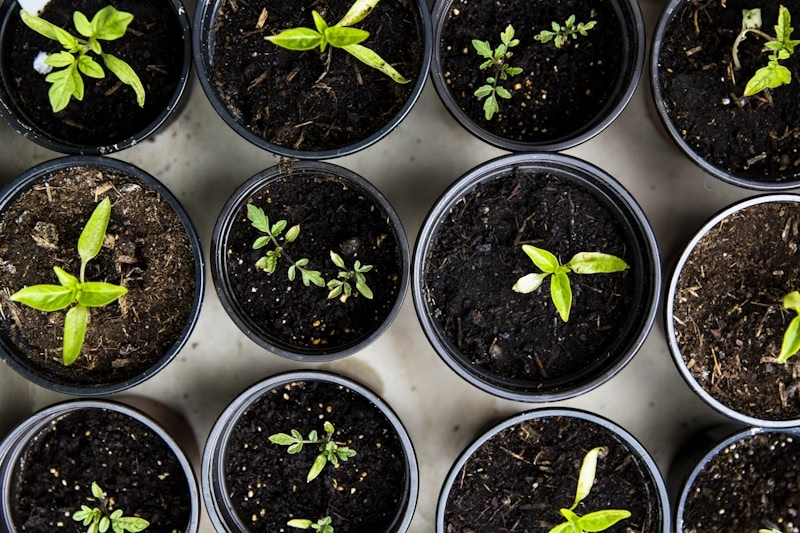
Seedlings
– Provide afternoon shade
– Keep well-watered
– Harden off gradually
– Mist frequently
Frequently Asked Questions
What temperature is too hot for a greenhouse?
Most vegetables suffer above 95°F. At 100°F+, many plants stop growing and can suffer permanent damage. Keep greenhouse below 90°F when possible.
Should I water my greenhouse plants every day?
In hot weather (above 80°F), most plants need daily watering. Check soil moisture morning and afternoon. Containers may need water twice daily.
Should I close my greenhouse at night in summer?
In mild climates, you can leave vents open. In areas with cool nights (below 60°F), close vents to retain heat for tropical plants.
How do I know if my plants are heat-stressed?
Watch for wilting (that doesn’t recover overnight), leaf scorch (brown edges), blossom drop, and slow growth. Check soil moisture — wilting with wet soil indicates heat stress.
Can I use my greenhouse in summer for something else?
Absolutely! Use it to:
– Store garden tools
– Dry herbs
– Overwinter tender plants
– Start fall seeds in trays
Conclusion
Summer greenhouse management requires attention but keeps your growing space productive year-round. The key is proactive cooling, consistent watering, and vigilant pest monitoring. With proper management, your greenhouse can produce abundant harvests even in the hottest weather.
Continue learning:
– Greenhouse Ventilation Guide
– Greenhouse Humidity Control
– Spring Greenhouse Preparation
—
What’s your biggest summer greenhouse challenge? Share in the comments!